

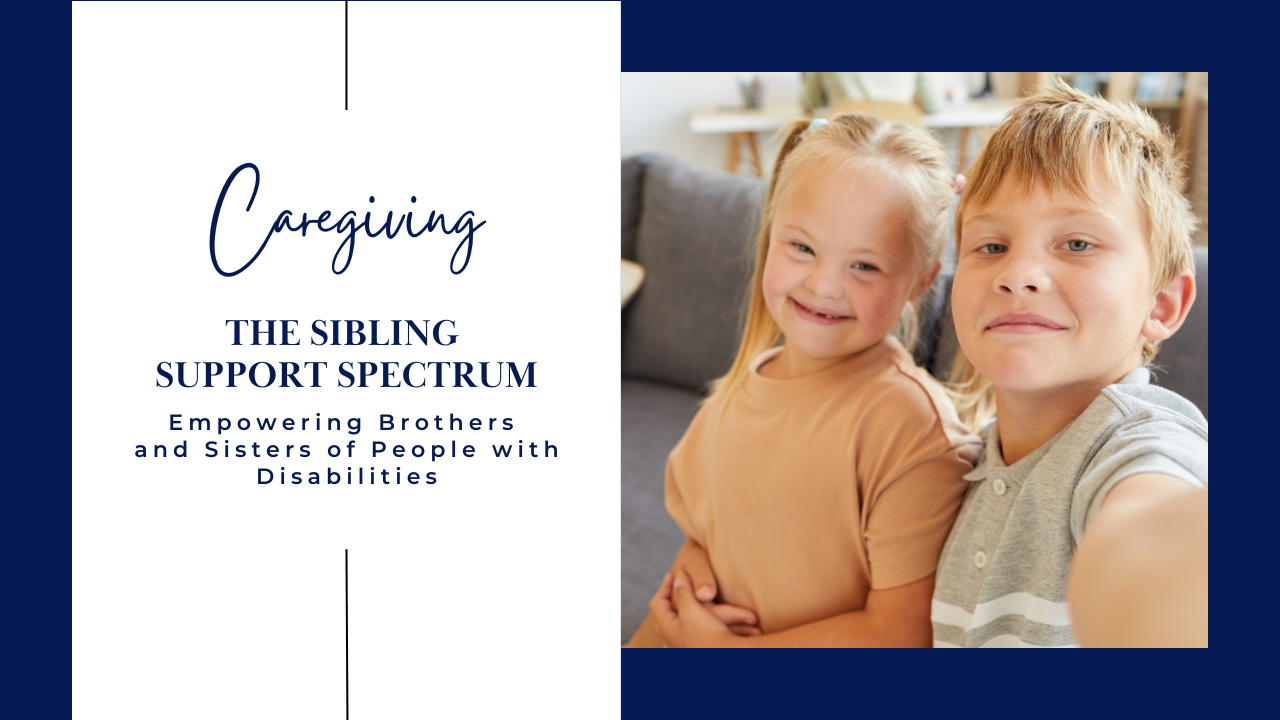
The Sibling Support Spectrum: Empowering Brothers and Sisters of People with Disabilities
Most people expect parents to be the primary caregivers for children with disabilities.
But there’s another group whose experiences are just as deeply shaped – siblings.
If you’ve ever watched a child grow up alongside a brother or sister with autism, Down syndrome, ADHD, or other challenges, you know: siblings walk a unique path.
They may beam with pride when their brother masters a new skill.
They may grow fiercely protective when classmates tease their sister.
They may also wrestle with guilt, jealousy, or the pressure to “be the easy one” at home.
And one day, as parents age, siblings often step into an even larger role – becoming advocates, supporters, or even primary caregivers themselves.
At Community Direct Services, we’ve seen how powerful this bond can be.
We’ve also seen how much siblings benefit when families give them the support, recognition, and tools they need.
Here’s what families can do to empower siblings and strengthen the whole family system.
Why Siblings Matter More Than We Realize
Siblings are often the longest-lasting relationship in a person’s life.
For children with developmental or behavioral challenges, that bond can become a lifelong lifeline.
But while parents receive training, resources, and professional guidance, siblings are too often left to figure things out alone.
They may quietly carry questions like:
-
Why does my sister get so much attention?
-
Is it my job to take care of my sister forever?
-
What if I feel embarrassed or frustrated sometimes – does that make me a bad sibling?
Acknowledging these questions – instead of brushing them aside, helps siblings feel seen.
And when siblings feel supported, they’re better equipped to embrace both the joys and the challenges of their role.
Common Emotions Siblings Experience
While every family is unique, siblings often share a few core experiences:
-
Pride and protectiveness. Many siblings feel deep love and want to defend their brother or sister against judgment or exclusion.
-
Jealousy or resentment. It’s natural to feel overlooked when so much family energy goes toward one child’s needs.
-
Guilt. Siblings may feel guilty for wishing things were different, or for being the “healthy one” who gets more freedom.
-
Pressure. Some siblings take on adult responsibilities early – helping manage meltdowns, assisting with routines, or worrying about the future.
-
Isolation. Without peers who understand, siblings may feel alone in their experiences.
Naming these feelings doesn’t diminish love.
It validates the complex, real-life experiences siblings navigate every day.

How Parents Can Support Siblings
Parents often ask…
“How can I meet the needs of all my children when one requires so much extra attention?”
While there’s no perfect balance, a few intentional steps can make siblings feel valued:
-
Open conversations. Talk honestly about the disability in age-appropriate ways. Invite questions. Normalize the mix of emotions siblings may feel.
-
One-on-one time. Carve out individual time with each child, even if it’s just a short outing or bedtime ritual. This reassures siblings they’re just as important.
-
Shared activities. Look for opportunities where siblings can play, learn, or create together. Involving siblings in therapy activities or inclusive programs can strengthen the bond.
-
Respect boundaries. Encourage siblings to help, but don’t make them default caregivers. Let them set the pace for how involved they want to be.
-
Peer support. Connect siblings with others who “get it.” Sibling support groups and organizations like the Sibling Leadership Network can help normalize their experiences and build community.
These steps give siblings permission to feel, space to grow, and confidence to embrace their unique role.
Preparing for the Future – Together
As parents age, siblings often worry quietly about what happens “someday.”
Will they be expected to provide care? What resources will be in place? What role will they play?
Rather than leaving these questions unspoken, families can:
-
Start early conversations. Involve siblings in planning discussions when they’re ready. Being included reduces anxiety later.
-
Clarify roles. Make sure siblings understand they are part of a support system – not solely responsible.
-
Build formal plans. Explore guardianship, special needs trusts, or care coordination so siblings aren’t left guessing.
Future planning isn’t about burdening siblings, it’s about giving them clarity and peace of mind.
The Strength of the Sibling Bond
For all the challenges, there is also beauty.
Siblings of children with disabilities often grow into adults who are deeply empathetic, resilient, and resourceful.
Many describe their sibling relationship as the most defining and rewarding connection of their lives.
We’ve seen siblings start businesses with their brothers and sisters, lead advocacy groups, or simply become the kind of friend who listens without judgment.
When families support siblings early, they grow into confident allies who carry the relationship forward with pride.
A Final Word of Encouragement
Parents, here’s the truth: supporting siblings doesn’t require perfection.
It requires presence.
The conversations you start, the time you carve out, and the reassurance you give all shape how siblings see themselves and their place in the family.
At Community Direct Services, we know siblings matter.
That’s why our approach looks at the whole family system – not just the individual diagnosis.
From counseling resources to care coordination and future planning, we’re here to help families strengthen every bond.
If you’re navigating how to support siblings in your family, you don’t have to do it alone.
Reach out today to schedule a consultation.
Together, we can help every child in your family, and every sibling bond thrive.
At Community Direct Services, we’re honored to be part of the Hampton Roads community, supporting individuals with developmental disabilities and their families with dignity, choice, and hope. Have questions about your services? Contact us at (757) 965-4899 or visit communitydirectservices.com.