

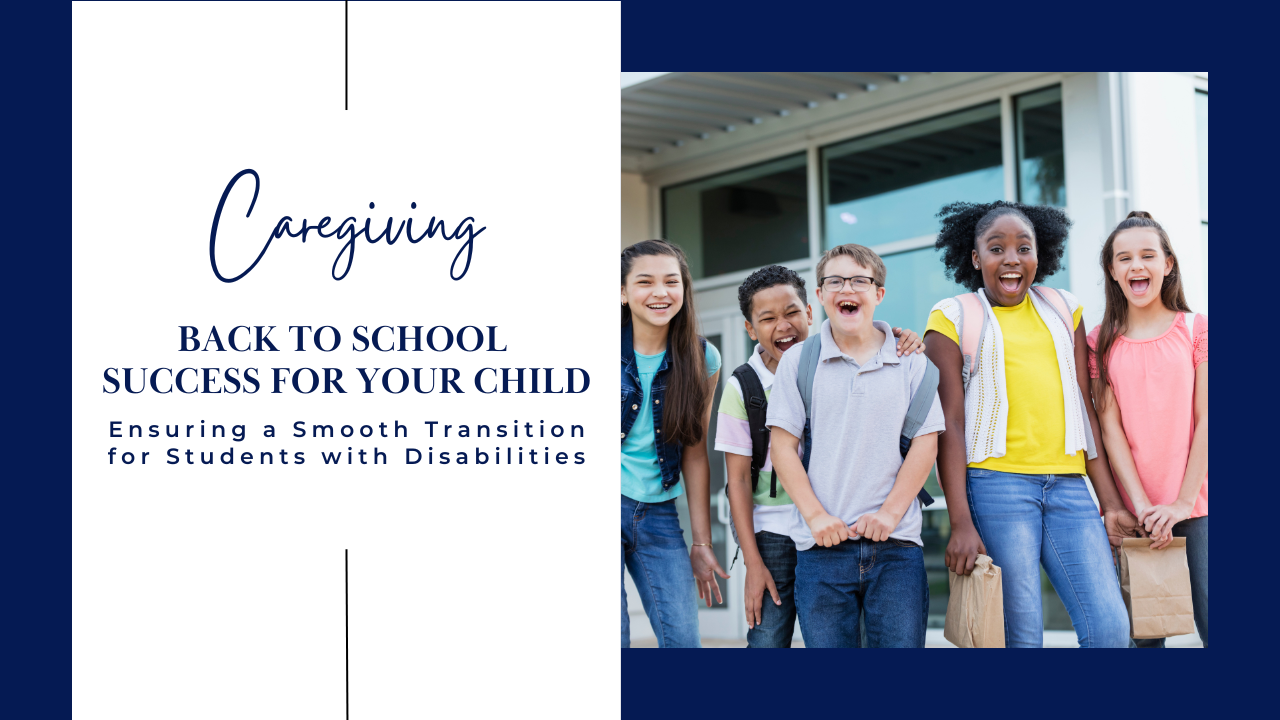
Back-to-School Success: Ensuring a Smooth Transition for Students with Disabilities
It’s 2 AM and you’re lying awake, wondering:
Will my child’s new teacher understand that meltdowns aren’t defiance? Will they see the brilliant mind behind the behavioral challenges?
Maybe you’ve enjoyed a more flexible summer routine. Maybe your child has thrived with fewer transitions.
But as the school year approaches, that creeping worry sets in:
-
Will the IEP goals actually be followed?
-
Will my child feel included, or left out?
-
Will their strengths shine, or will their challenges overshadow them?
You’re not alone in these questions. At Community Direct Services, we’ve walked alongside hundreds of families navigating the same concerns.
Parents who once dreaded every phone call from the school now share stories of their children surprising them with unexpected progress.
The truth is, back-to-school success isn’t about creating a “perfect” classroom or eliminating every stressor.
It’s about laying down a foundation of support, consistency, and advocacy so your child can thrive.
Here are three strategies that make a difference – transforming chaos into confidence.
Start with Collaboration: Partnering with Teachers and Staff
The first weeks of school set the tone for the entire year.
A strong partnership with your child’s educators makes all the difference.
-
Schedule an early meeting. Before school starts (or as soon as possible), connect with your child’s teacher. Share the top 2–3 strategies that help at home – what calms your child, what sparks motivation, and what might trigger challenges.
-
Highlight strengths as well as needs. Teachers appreciate knowing where your child shines – whether that’s in math, art, or kindness. It helps them see your child as more than a diagnosis.
-
Agree on communication. Decide how you’ll stay in touch – whether by email, a notebook, or a quick check-in. Clear communication keeps you from feeling in the dark and helps teachers feel supported too.
Partnership, not pressure, builds trust. When educators see you as an ally, your child benefits most.
Review the IEP: Advocacy Without the Overwhelm
Fall is the perfect time to revisit your child’s IEP. Summer can bring big changes, and the start of a school year is when expectations solidify.
Here’s your IEP back-to-school action plan:
-
✓ Confirm accommodations. Do they reflect your child’s needs this year – not last year? (Think sensory breaks, extended time, or smaller group instruction.)
-
✓ Ensure measurable goals. Goals should be clear, realistic, and trackable. If your child’s progress has shifted – up or down – request a meeting to adjust early.
-
✓ Loop in every provider. From speech therapists to behavioral specialists, everyone should be aligned with the IEP before the first day.
Advocating doesn’t make you “difficult.” It makes you essential.
No one knows your child better than you, and your voice is what turns paperwork into real-world support.

Create Calm at Home: Routines That Reduce Anxiety
Transitions don’t start at school, they start at home.
Children with autism, ADHD, anxiety, and other challenges thrive on predictability.
Some of the routines that have helped many families we support:
-
Visual schedules. A simple chart with pictures for “wake up → brush teeth → breakfast → bus stop” can calm morning chaos.
-
Practice runs. Do a trial morning the week before school, getting up, dressed, and walking or driving the route. Familiarity reduces first-day jitters.
-
Evening rituals. Consistent wind-down routines (bath, reading, dimmed lights) prepare your child’s body and mind for school days.
-
Safe decompression space. Identify a cozy corner with a blanket, chair, or favorite calming activity where your child can reset after a long day.
These small steps add up, turning mornings and evenings into steady anchors instead of daily battles.
Lean on Support: You Don’t Have to Do It Alone
Even with the best preparation, there will be tough mornings and unexpected hurdles. That’s why building a support system matters.
-
School resources. Counselors, aides, and special education staff are part of your child’s team. Don’t hesitate to lean on them.
-
Outside professionals. If your child receives services through Community Direct Services or other providers, coordinate with the school so strategies are consistent everywhere.
-
Community programs. Inclusive sports teams, arts programs, or social clubs can give your child friendships and confidence beyond the classroom.
And remember, support isn’t just for kids. Parents need backup too.
The school year is a marathon, and no one should run it alone.
A Word of Encouragement
Back-to-school season can stir up anxiety, but it also brings new opportunities.
Every successful day, every small win, every new skill learned is a building block toward independence and confidence.
With the right routines, advocacy, and support network, your child can not only survive the school year, they can thrive in it.
At Community Direct Services, we believe no family should navigate this transition alone.
Our licensed professionals work side by side with families, helping children adjust routines, supporting IEP collaboration, and creating the structures that lead to real progress.
If sleepless nights and constant worry are weighing you down, now is the time to act.
Schedule your consultation today, because every day of struggle avoided is a day of confidence gained.
At Community Direct Services, we’re honored to be part of the Hampton Roads community, supporting individuals with developmental disabilities and their families with dignity, choice, and hope. Have questions about your services? Contact us at (757) 965-4899 or visit communitydirectservices.com.